
Community Led Urban Disaster Risk Reduction
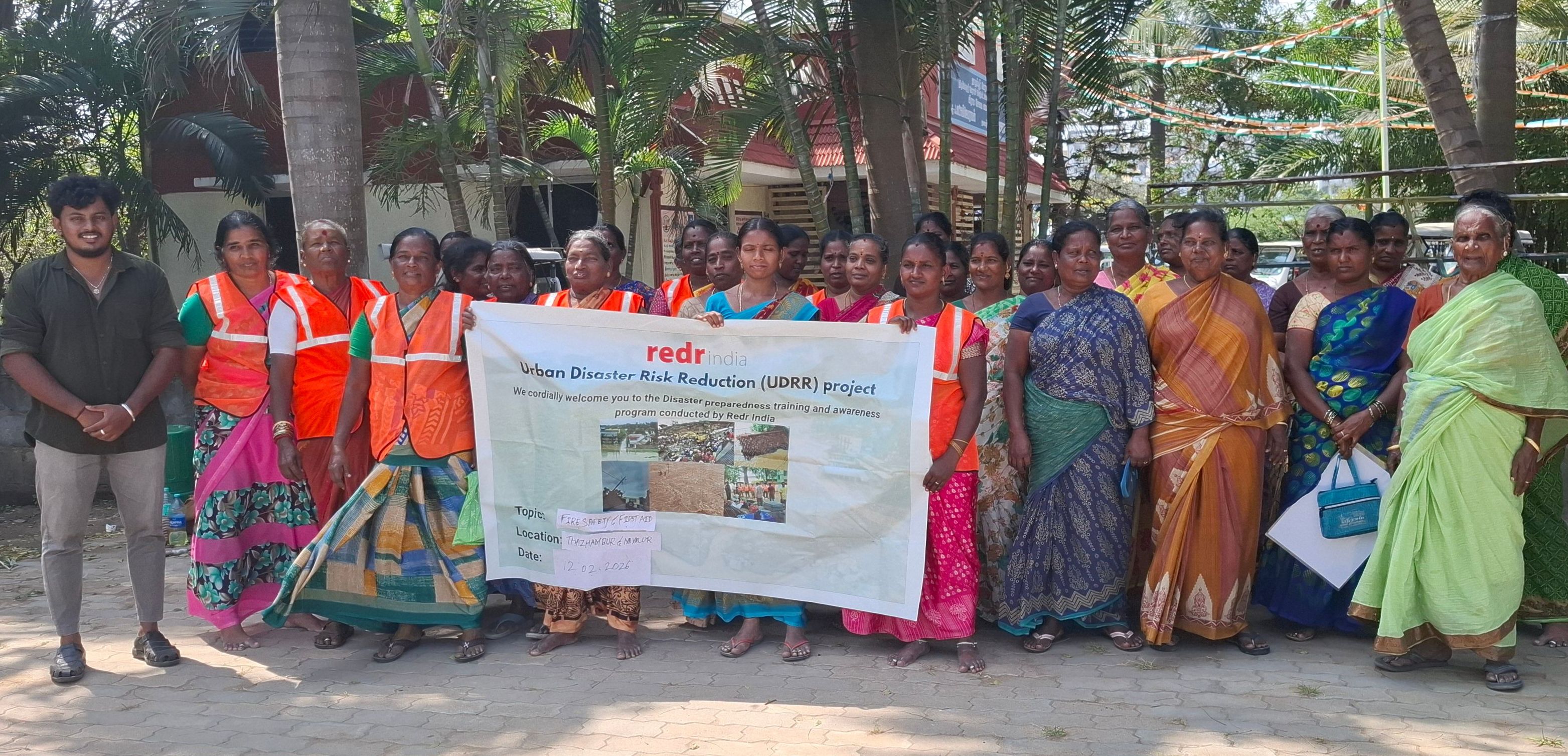
RedR India's Urban Disaster Risk Reduction (UDRR) Project was implemented across five vulnerable communities in South Chennai from August 2025 to March 2026 to strengthen disaster preparedness and community resilience. Through risk assessments, capacity-building programs, first aid and fire safety training, interactive sessions for children, community resource mapping, and stakeholder collaboration, the initiative empowered residents with the knowledge and skills needed to respond effectively to emergencies. The project laid a strong foundation for building safer, more prepared, and resilient urban communities.
Disaster Preparedness Across Every Urban Layer: From Slums to Apartments
Disasters may strike suddenly; hence, resilience must be built long before an emergency occurs. Recognizing this, RedR India implemented an Urban Disaster Risk Reduction (UDRR) initiative across 5 vulnerable communities in South Chennai from August 2025 to March 2026, with the goal of strengthening local preparedness, enhancing response capacities, and fostering a culture of safety.
The project was implemented in Thazhambur, Navalur, Saidapet, Kaiveli–Velachery, and Sobha Meritta Apartments—communities identified through detailed field assessments, stakeholder consultations, and vulnerability analysis.
Understanding Risk Before Building Resilience
The journey began with extensive field assessments, community consultations, and stakeholder engagement. More than ten potential locations were visited and assessed before five communities were selected based on their vulnerability, exposure to hazards, and willingness to participate.
The assessment process revealed a common challenge: while disasters such as floods and cyclones were recurring realities, preparedness knowledge and response mechanisms were often limited. Many residents relied on informal coping strategies, highlighting the urgent need for structured preparedness interventions.
Strengthening Community Response Capacity
One of the project's key achievements was equipping community members with essential life-saving skills. Participants received practical training on first aid, fire safety, emergency response, and disaster preparedness. Community members learned how to respond to situations such as choking, fainting, burns, fractures, and fire emergencies, helping build confidence to act during critical moments before professional assistance arrives.
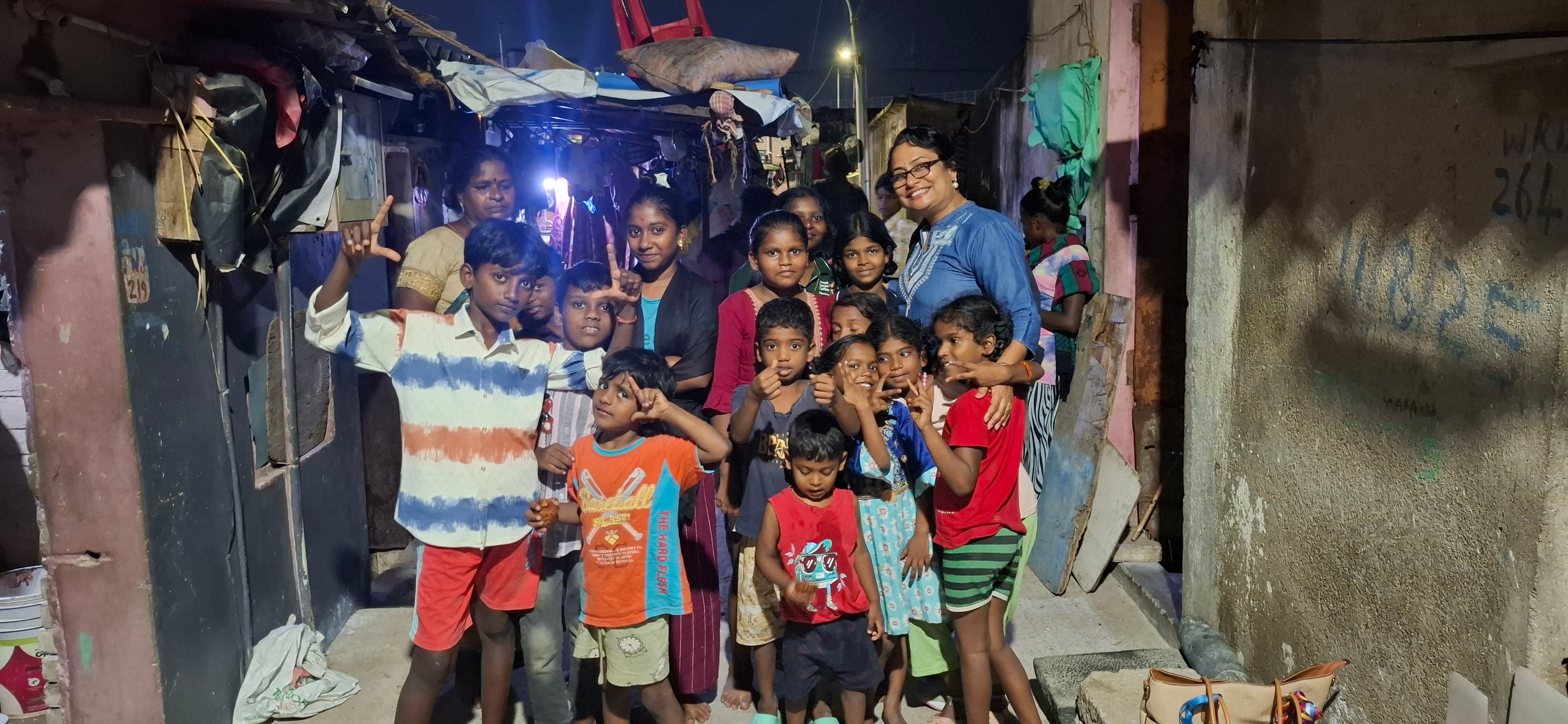
Children also played a central role in the initiative. Through role-plays, disaster preparedness games, and interactive learning activities, students gained a better understanding of safety measures during floods, cyclones, and other emergencies. These sessions transformed complex disaster concepts into engaging learning experiences and encouraged children to become active participants in building safer communities.
Building Stronger Institutional Linkages
The project also strengthened connections between communities and local institutions. Partnerships with local authorities, disaster management officials, healthcare professionals, and fire department personnel ensured that communities had access to reliable information, technical expertise, and support systems. These linkages are expected to contribute to stronger and more coordinated responses during future emergencies.
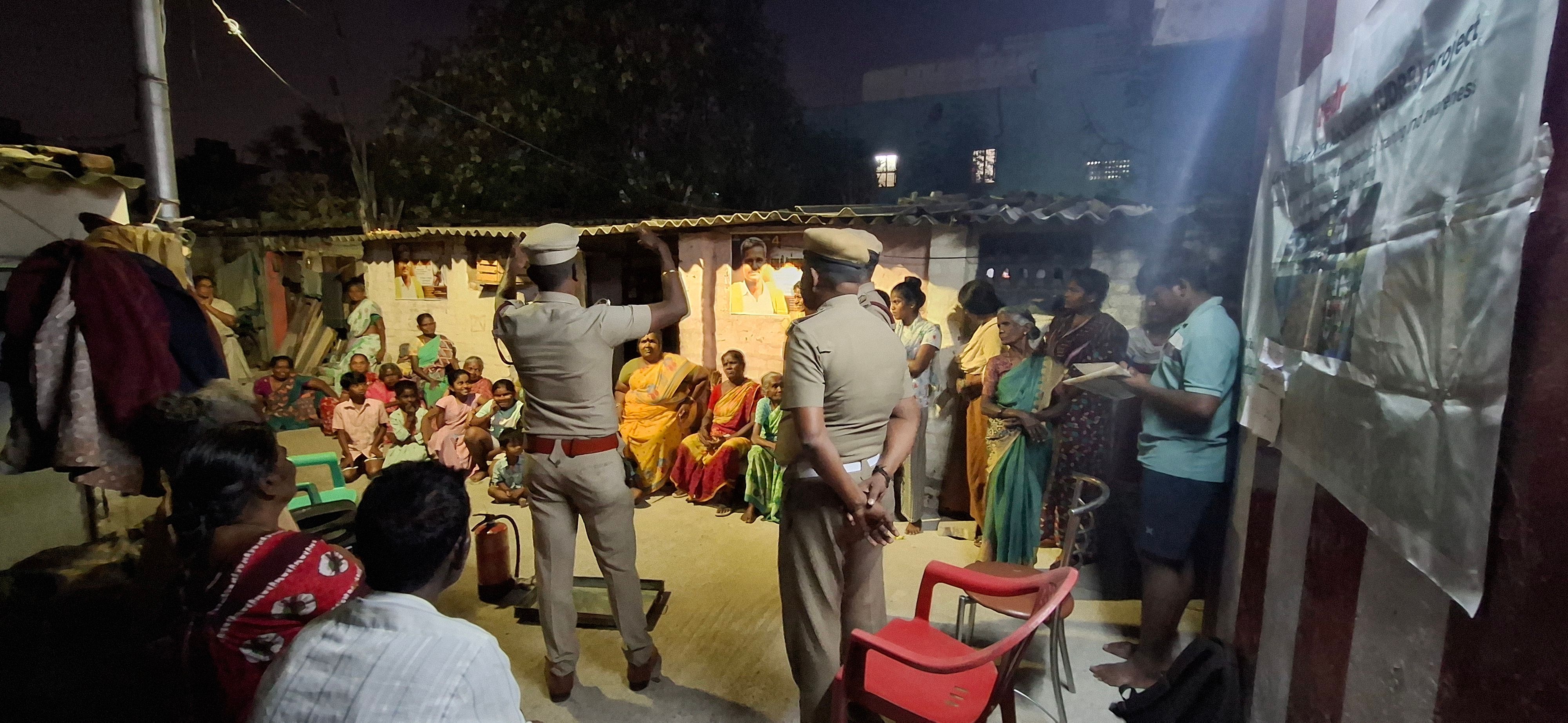
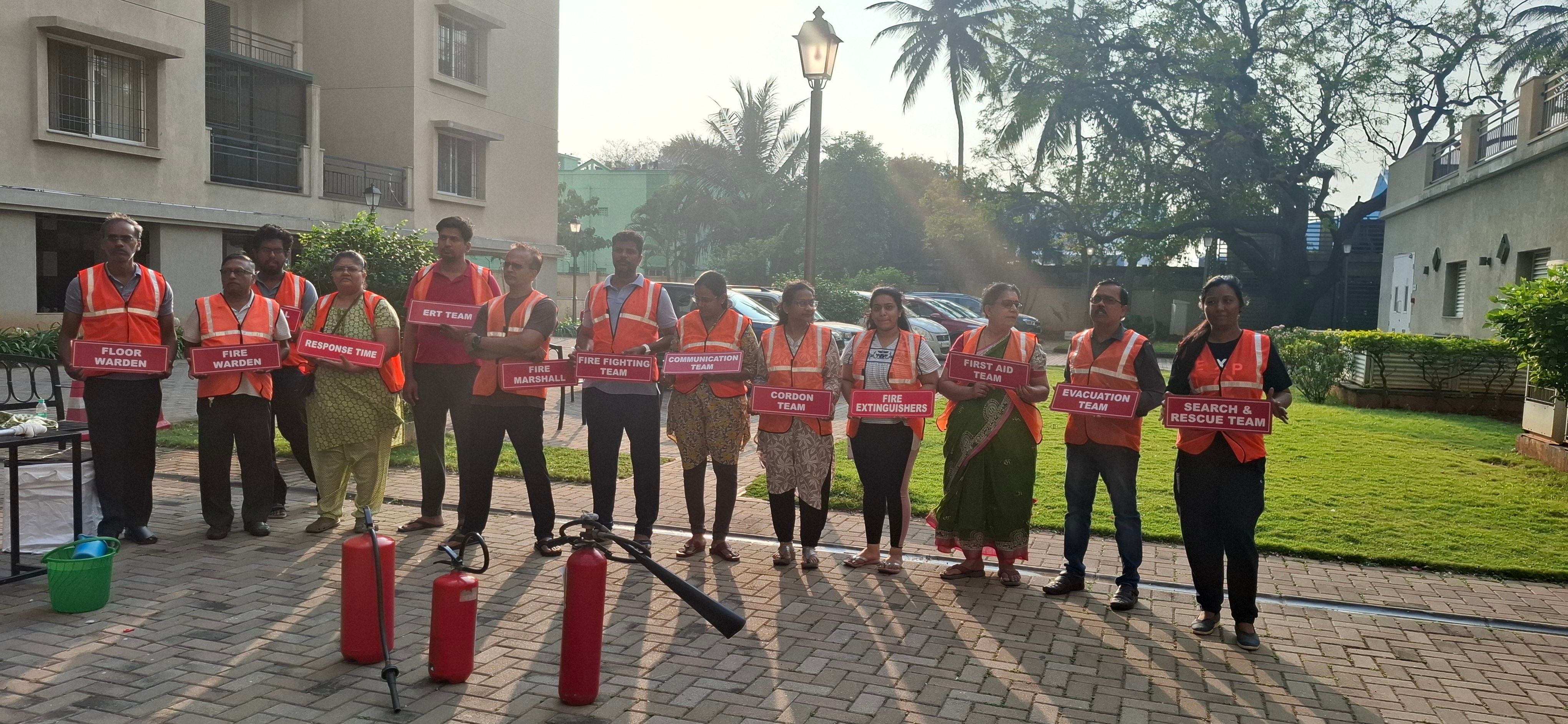
In locations such as Saidapet and Kaiveli, community resource mapping exercises helped residents identify local assets, emergency contacts, safe spaces, and support networks that could be mobilized during disasters. At Sobha Meritta Apartments, participants took preparedness a step further by engaging in mock drills and identifying community members who could take leadership roles during emergencies.
A Foundation for Long-Term Urban Resilience
Beyond the numbers, the project demonstrated the value of community-led preparedness. From women sharing their experiences of floods and cyclones to children confidently discussing first aid and personal safety, the initiative fostered greater awareness, participation, and ownership of disaster risk reduction efforts.
As urban communities continue to face increasing climate and disaster risks, building resilience at the local level remains essential. Through knowledge-sharing, skill development, and collaboration, the UDRR initiative has laid a strong foundation for safer, more prepared, and more resilient communities across the selected communities in South Chennai.
Because resilience begins with preparedness—and preparedness begins with people.